
Your Guide to Finding Top Dental Implant Providers Near Me to Restore your Smile and Confidence
Missing teeth can affect more than just your ability to chew—they impact your confidence, speech, and overall quality of life. Dental implants offer a permanent, natural-looking solution that can restore both function and aesthetics to your smile. However, the success of your dental implant treatment depends heavily on choosing the right provider.
Finding a qualified dental implant providers near me requires careful consideration of multiple factors, from technical expertise to location convenience. The right provider will not only have the skills to perform the procedure but will also guide you through every step of the process with compassion and professionalism.
This comprehensive guide will walk you through everything you need to know about selecting the best dental implant provider near you, what to expect during your consultation, and how to ensure long-lasting results. Whether you’re dealing with a single missing tooth or need full mouth restoration, understanding these key considerations will help you make an informed decision about your oral health.
Why Location Matters: Finding a Provider Near You
Choosing a dental implant provider close to your home or workplace offers several practical advantages that can significantly impact your treatment experience. The dental implant process typically requires multiple appointments over several months, making accessibility crucial for maintaining your treatment schedule.
- Convenience for Multiple Visits: Dental implant placement involves several phases, including initial consultation, implant placement surgery, healing period check-ups, and final crown placement. Having a provider nearby reduces travel time and makes it easier to attend all necessary appointments without disrupting your daily routine.
- Emergency Accessibility: While complications with dental implants are rare, having quick access to your provider can provide peace of mind. If you experience any post-surgical concerns or unexpected issues, being able to reach your dental office quickly can make a significant difference in addressing problems promptly.
- Building Long-Term Relationships: Dental implants are designed to last a lifetime with proper care, but they still require regular monitoring and maintenance. Establishing a relationship with a local provider ensures continuity of care and makes it easier to maintain your investment in your oral health over the long term.
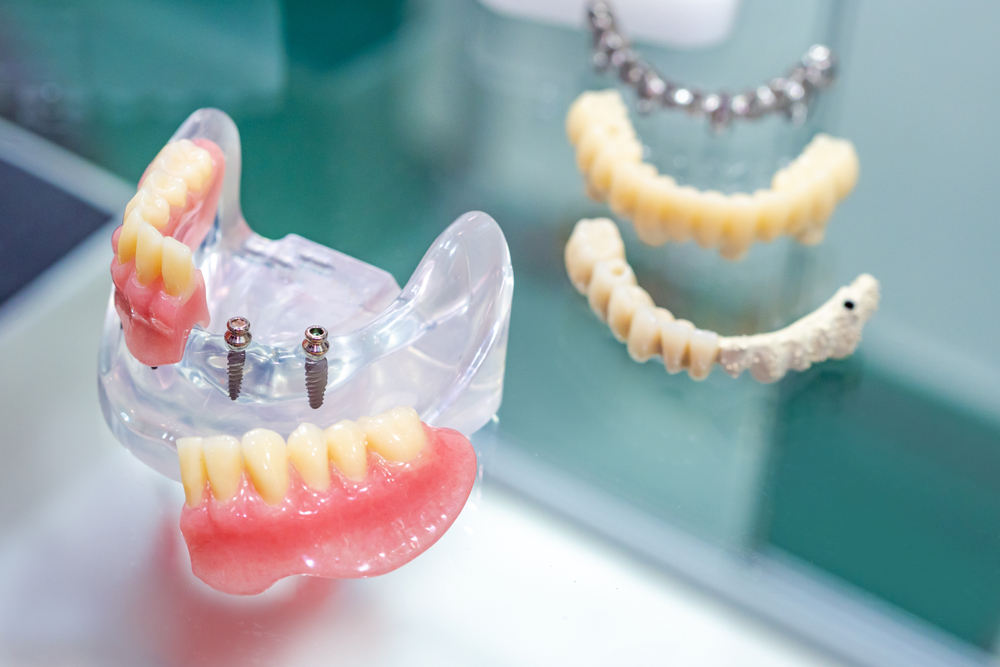
Dental Implant Service Providers
Key Factors to Consider When Choosing a Dental Implant Provider
Selecting the right dental implant provider requires evaluating several critical factors that directly impact the success of your treatment and overall experience.
Credentials and Experience: Look for providers who have completed specialized training in implant dentistry. Board certification, advanced degrees in oral surgery or periodontics, and continuing education in the latest implant techniques are strong indicators of expertise. Ask about the number of implant procedures they perform annually and their success rates.
- Technology and Facilities: Modern dental implant treatment benefits from advanced technology such as 3D imaging, computer-guided surgery, and digital treatment planning. Providers who invest in state-of-the-art equipment can often offer more precise placement, better outcomes, and more comfortable treatment experiences.
- Comprehensive Treatment Options: The best implant providers offer a full range of services, from single tooth replacement to full mouth reconstruction. This includes various implant types, bone grafting procedures when necessary, and different restoration options to meet your specific needs and budget.
- Patient Reviews and Testimonials: Research online reviews and ask for patient testimonials to get insights into other patients’ experiences. Pay attention to comments about pain management, communication, treatment outcomes, and overall satisfaction with the provider’s care.
- Insurance and Financing Options: Dental implants represent a significant investment, so understanding payment options is crucial. Look for providers who work with insurance companies and offer financing plans to make treatment more accessible.
Introducing A. Scott Grivas III, DDS, Inc.: Comprehensive Dental Implant Services
Advanced Training and Expertise
Dr. Grivas has completed extensive training in dental implant placement and restoration, staying current with the latest advances in implant technology and techniques. This commitment to ongoing education ensures patients receive treatment based on the most current best practices in the field.
State-of-the-Art Technology
The practice utilizes cutting-edge technology including digital imaging, 3D treatment planning, and precision surgical guides to ensure optimal implant placement. This technology-driven approach enhances accuracy, reduces treatment time, and improves patient comfort throughout the process.
Comprehensive Service Range
A. Scott Grivas III, DDS, Inc. offers a complete spectrum of implant services, including:
- Single tooth implants
- Multiple tooth replacement
- Full mouth reconstruction
- Immediate load implants
- Bone grafting procedures
- Sinus lift procedures
- All-on-4 treatment concepts
Patient-Centered Care
The practice prioritizes patient comfort and communication, ensuring each individual understands their treatment options and feels confident in their decision. From the initial consultation through final restoration, patients receive personalized attention and comprehensive support.
The Consultation Process: What to Expect
Your first consultation is a crucial step in determining whether dental implants are right for you and developing a personalized treatment plan. Understanding what to expect can help you prepare and make the most of this important appointment.
Initial Examination and Assessment
During your consultation, the provider will conduct a thorough examination of your mouth, teeth, and gums. This includes assessing the health of your remaining teeth, checking for gum disease, and evaluating the condition of your jawbone where the implant will be placed.
Medical History Review
Your dentist will review your complete medical history, including any medications you’re taking and health conditions that might affect healing. Conditions such as diabetes, heart disease, or smoking habits can impact implant success and may require special considerations.
Imaging and Treatment Planning
Advanced imaging, typically including X-rays and possibly CT scans, helps the provider evaluate bone density and volume at the implant site. This information is crucial for determining the best implant size and placement strategy for your specific situation.
Discussion of Treatment Options
Based on the examination and imaging results, your provider will explain your treatment options, including different types of implants, restoration choices, and timeline for completion. This is an excellent time to ask questions about the procedure, recovery, and long-term maintenance.
Financial Planning
The consultation should include a detailed discussion of costs, insurance coverage, and available financing options. Many practices provide written treatment estimates to help you plan for the investment in your oral health.
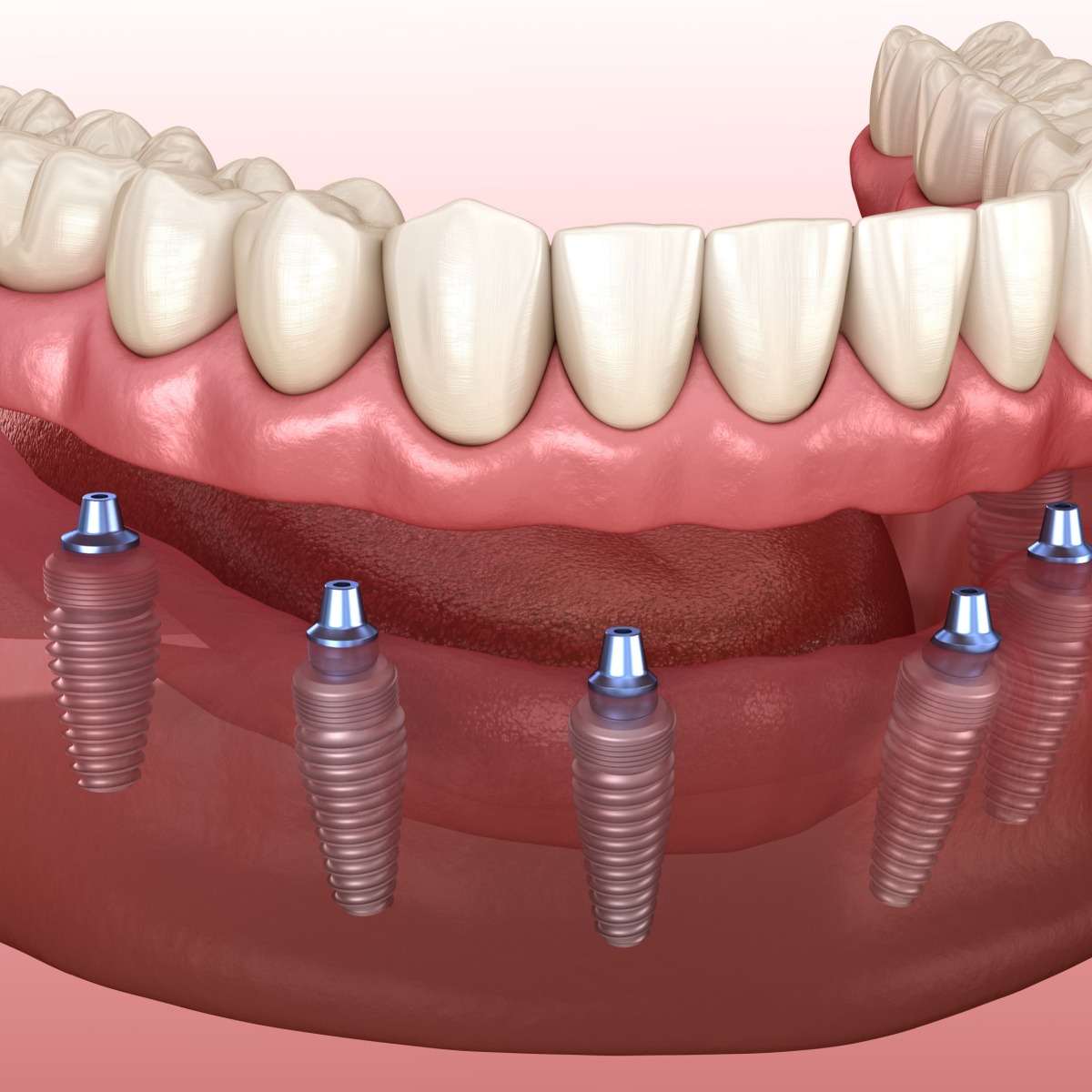
Dental Implants Service
Step-by-Step Guide to the Dental Implant Procedure
Understanding the dental implant process can help alleviate anxiety and set proper expectations for your treatment journey. The process typically involves several stages spread over several months to allow for proper healing and integration.
Phase 1: Preparation and Planning
The first phase involves detailed treatment planning, including taking impressions for surgical guides if needed. If you require tooth extraction or bone grafting, these procedures may be completed during this phase. Some patients may need to wait several months for healing before implant placement.
Phase 2: Implant Placement Surgery
The actual implant placement is typically performed under local anesthesia in a dental office setting. The procedure involves creating a precise opening in the jawbone and inserting the titanium implant. Most patients report minimal discomfort during the procedure, and the surgery usually takes less than an hour per implant.
Phase 3: Osseointegration Period
After implant placement, the healing process called osseointegration begins. During this 3-6 month period, the implant fuses with your natural bone tissue, creating a stable foundation for the final restoration. Temporary restorations may be provided if needed for aesthetics or function.
Phase 4: Abutment Placement
Once osseointegration is complete, a small connector piece called an abutment is attached to the implant. This component serves as the foundation for your final crown, bridge, or denture. This appointment is typically quick and requires only local anesthesia.
Phase 5: Final Restoration
The final step involves creating and placing your permanent restoration. Whether it’s a crown, bridge, or denture, the restoration is custom-made to match your natural teeth and provide optimal function and aesthetics.
Aftercare and Maintenance for Long-Lasting Results
Proper aftercare following dental implant placement is essential for successful healing and long-term implant success. Following your provider’s instructions carefully can prevent complications and ensure the best possible outcome.
- Immediate Post-Surgical Care: The first few days after implant surgery are crucial for proper healing. Patients should expect some swelling and minor discomfort, which can be managed with prescribed medications and cold compresses. Avoiding strenuous activity and following dietary restrictions helps promote healing.
- Oral Hygiene During Healing: Maintaining oral cleanliness while protecting the surgical site requires special care. Your provider will recommend specific cleaning techniques and may prescribe antimicrobial rinses to prevent infection while the tissue heals.
- Long-Term Maintenance: Once your implant is fully restored, maintaining it requires similar care to natural teeth, with some additional considerations. Regular brushing, flossing, and professional cleanings are essential. Special flossing techniques or interdental brushes may be recommended for cleaning around the implant.
- Regular Check-Ups: Routine dental visits become even more important with dental implants. Your provider will monitor the health of your implant, surrounding tissues, and restoration during regular check-ups. Early detection of any issues can prevent more serious complications.
- Lifestyle Considerations: Certain habits can affect implant longevity. Avoiding smoking, limiting excessive alcohol consumption, and not using your teeth as tools help protect your investment. If you grind your teeth, a nightguard may be recommended to prevent damage to your restoration.
Addressing Common Concerns and Misconceptions About Dental Implants
Many patients have concerns or misconceptions about dental implants surgery that can prevent them from pursuing this beneficial treatment. Addressing these concerns with factual information helps patients make informed decisions about their oral health.
- Pain and Discomfort Concerns: One of the most common concerns is about pain during and after the procedure. Most patients are surprised to learn that implant placement is less uncomfortable than tooth extraction. Local anesthesia ensures comfort during the procedure, and post-operative pain is typically manageable with over-the-counter medications.
- Treatment Duration: While the complete implant process takes several months, this timeline allows for proper healing and integration. Many patients can function normally throughout the process, especially with temporary restorations when appropriate.
- Age Considerations: There’s no upper age limit for dental implants, provided the patient has adequate bone density and good overall health. Many seniors successfully receive dental implants and experience improved quality of life as a result.
- Success Rates and Longevity: Dental implants have one of the highest success rates of any dental procedure, with success rates exceeding 95% in most cases. With proper care, implants can last a lifetime, making them an excellent long-term investment in oral health.
- Cost Considerations: While dental implants require a significant upfront investment, their longevity often makes them more cost-effective than alternative treatments over time. Many providers offer financing options to make treatment more accessible.

Dental Implant
Take the First Step Towards Your Restored Smile
Restore your smile and confidence with dental implants from A. Scott Grivas III, DDS, Inc. Combining advanced technology, expert care, and a patient-focused approach, we help you address tooth loss effectively. Dental implants not only restore your smile but also protect your oral health and prevent future complications. With proper planning and care, they deliver a natural, lasting solution. Schedule your consultation today and take the first step toward a healthier, more confident you!
https://www.google.com/maps?cid=9730495894556061815