
How to Make Invisalign Affordable: Tips and Tricks for a Perfect Smile
A confident smile can be life-changing, and Invisalign offers a discreet and effective way to straighten teeth without the hassle of traditional braces. While the cost can seem high, it doesn’t have to put a straighter smile out of reach. With the right strategies—like using insurance benefits, flexible payment plans, and special offers—you can make Invisalign affordable. This guide breaks down everything you need to know, from factors that affect pricing to tips for budgeting and financing. Get ready to take the first step toward your dream smile without the financial stress!
Breaking Down the Costs of Invisalign
The first step in making Invisalign affordable is understanding what goes into its final price. The cost isn’t a single, fixed number; it varies based on several key factors unique to each patient’s needs. On average, Invisalign treatment can range from $3,000 to $8,000 in the United States. Let’s look at what determines where you might fall within that range.
Complexity of Your Case
The most significant factor influencing the cost is the complexity of your orthodontic issues.
- Minor Adjustments: If you only need minor corrections, such as closing small gaps or straightening slightly crooked teeth, your treatment will likely be shorter and require fewer aligners. This places you at the lower end of the cost spectrum.
- Moderate to Complex Issues: More significant problems, like severe overcrowding, large gaps, or complex bite issues (overbite, underbite, crossbite), require a longer treatment duration and more sets of aligners. The orthodontist also needs to apply more advanced techniques and monitor your progress more closely, which increases the overall cost.
Length of Treatment
The duration of your treatment is directly tied to the complexity of your case. A longer treatment plan means more aligner trays need to be manufactured, and you’ll have more appointments with your dentist or orthodontist. A typical Invisalign treatment lasts between 12 and 18 months, but simpler cases might be completed in as little as six months, while more complex ones could take two years or longer. Each additional set of aligners contributes to the total expense.
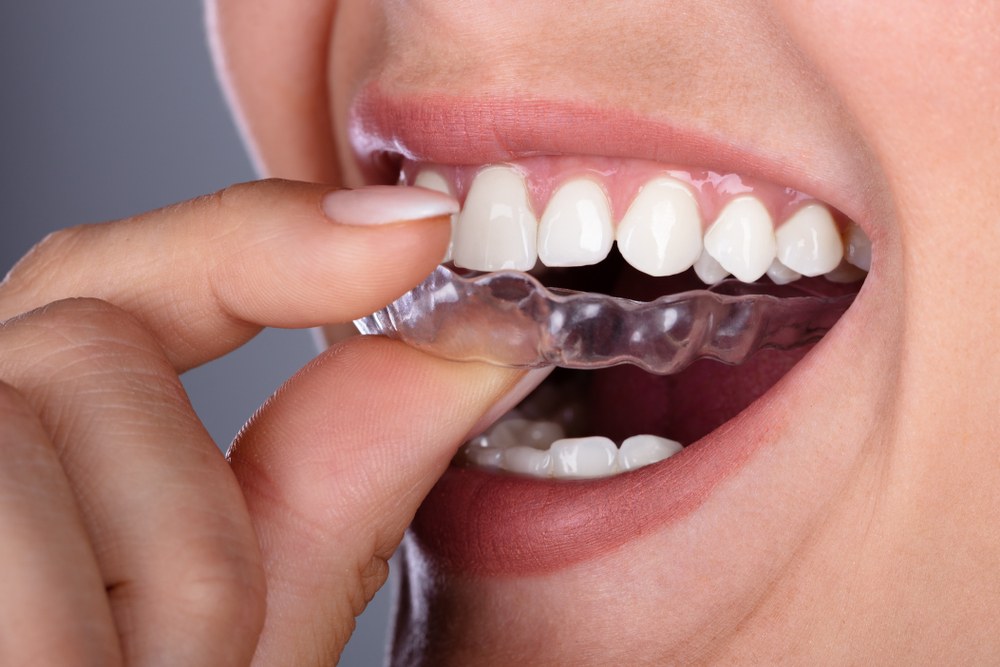
Affordable Dental Invisalign
Your Provider’s Expertise and Location
Where you get your treatment and who performs it also matters.
- Geographic Location: The cost of living and running a business varies significantly from one city to another. Dental practices in major metropolitan areas often have higher overhead costs, which can be reflected in their pricing for services like Invisalign.
- Provider’s Experience: Orthodontists and dentists with extensive experience and a high level of Invisalign provider certification (like a Diamond or Diamond Plus provider) may charge more for their expertise. While it might be tempting to go for the cheapest option, choosing an experienced provider like A. Scott Grivas III, DDS, Inc. ensures you receive the highest quality of care, which can prevent costly complications down the road.
Insurance Coverage for Invisalign
Many people are surprised to learn that their dental insurance may cover a portion of their Invisalign treatment. If your dental plan includes orthodontic benefits, it will likely apply to Invisalign just as it would to traditional braces. Understanding your coverage is a critical step in reducing your out-of-pocket costs.
How to Check Your Benefits
- Review Your Policy: Look for a section on “orthodontic coverage” in your insurance plan documents. This will detail the extent of your benefits, including any lifetime maximums or age limitations.
- Contact Your Insurance Provider: The most direct way to get clear information is to call your insurance company. Ask them specifically about coverage for “orthodontic treatment” and confirm that Invisalign (procedure code D8090) is included. Be sure to ask about your lifetime orthodontic maximum, which is the total amount your plan will pay for orthodontic treatment.
- Consult with Your Dentist’s Office: The administrative team at your dental office is experienced in dealing with insurance. The team at A. Scott Grivas III, DDS, Inc. can help you verify your benefits and will often handle the claims process on your behalf, making it a seamless experience.
Most insurance plans with orthodontic benefits cover a percentage of the cost, typically up to a lifetime maximum of $1,000 to $3,000. While this may not cover the entire cost, it can provide significant savings.
A Smart Way to Save: FSAs and HSAs
Flexible Spending Accounts (FSAs) and Health Savings Accounts (HSAs) are tax-advantaged accounts that allow you to set aside pre-tax money for qualified medical and dental expenses. Using these accounts for Invisalign is a brilliant way to save money because you’re paying with funds that haven’t been taxed.
Flexible Spending Accounts (FSAs)
FSAs are offered by employers and allow you to contribute a portion of your salary before taxes. For 2024, you can contribute up to $3,200. Because this money is tax-free, you could save up to 30% on your Invisalign treatment, depending on your tax bracket. The key thing to remember with FSAs is the “use it or lose it” rule. You generally need to spend the funds within the plan year, so it’s important to plan your treatment timeline accordingly.
Health Savings Accounts (HSAs)
HSAs are available to individuals enrolled in high-deductible health plans (HDHPs). Like FSAs, contributions are tax-deductible, the funds grow tax-free, and withdrawals for qualified medical expenses are also tax-free. For 2024, the contribution limits are $4,150 for an individual and $8,300 for a family. Unlike FSAs, HSA funds roll over year after year, giving you more flexibility in saving for a large expense like Invisalign.
Using an FSA or HSA can effectively give you a discount on your treatment equal to your income tax rate, making it a financially savvy move.

Dental Invisalign at Affordable Price
Payment Plans and Financing Options
Even after insurance and other savings, the remaining cost of Invisalign can be substantial. Fortunately, most dental practices offer flexible payment plans and financing options to make the treatment accessible to more patients.
In-House Payment Plans
Many dental offices, including A. Scott Grivas III, DDS, Inc., offer in-house payment plans. These plans allow you to break down the total cost of your treatment into manageable monthly installments over the course of your treatment. These plans are often interest-free, making them an excellent choice. Typically, you’ll be required to make a down payment at the start of your treatment and then pay the remaining balance in equal monthly payments.
Third-Party Financing
If an in-house plan isn’t available or doesn’t fit your needs, third-party financing companies like CareCredit or LendingPoint can be a great alternative. These companies specialize in financing for healthcare expenses and offer a variety of payment plans, including:
- No-Interest Plans: Many providers offer promotional periods (e.g., 6, 12, or 24 months) where you pay no interest if the balance is paid in full by the end of the term.
- Extended-Term Plans: For those who need lower monthly payments, you can opt for longer-term plans with a fixed, competitive interest rate.
Applying for these financing options is usually quick and can often be done right in your dentist’s office.
Keep an Eye Out for Discounts and Promotions
Dental practices occasionally run special promotions or discounts on cosmetic treatments like Invisalign. It’s always a good idea to ask if there are any current offers available. Some common discounts include:
- Pay-in-Full Discount: Some offices offer a small discount (e.g., 5%) if you pay for the entire treatment upfront.
- Seasonal Promotions: Look out for promotions around holidays or specific times of the year, like back-to-school season.
- New Patient Specials: Practices sometimes offer introductory deals to attract new patients.
Following your preferred dental clinic on social media or subscribing to their newsletter is a great way to stay informed about any upcoming special offers.
The Value of a Consultation
The best way to get a clear and accurate picture of what your Invisalign dental treatment will cost is to schedule a consultation with a qualified provider. At A. Scott Grivas III, DDS, Inc., your initial consultation is a comprehensive process where you will receive a personalized treatment plan and a detailed breakdown of all associated costs.
During your consultation, the dental team will perform a thorough examination, take digital scans of your teeth, and discuss your smile goals. This allows them to determine the complexity and length of your treatment. They will then provide you with a precise quote and walk you through all your payment and financing options, helping you create a plan that fits your budget. This no-obligation appointment is an invaluable step in your decision-making process.
Why Expertise Matters: DIY vs. Professional Treatment
In the search for affordability, you may come across direct-to-consumer “DIY” clear aligner companies that promise a straighter smile for a fraction of the cost. While the lower price point is tempting, it’s crucial to understand the risks. These services typically involve taking your own dental impressions at home and do not include in-person supervision from a dentist or orthodontist.
Orthodontic treatment is a complex medical procedure that involves moving teeth and reshaping bone. Without professional oversight, things can go wrong, potentially leading to bite problems, gum damage, or even tooth loss. The cost of fixing these issues can far exceed the initial savings.
Choosing a professional provider like A. Scott Grivas III, DDS, Inc. ensures your treatment is safe, effective, and tailored to your unique needs. Regular check-ups allow your dentist to monitor your progress, make necessary adjustments, and address any issues before they become serious problems. Investing in professional care is an investment in your long-term oral health.

Invisalign Implant Treatment
Protecting Your Investment
Once you’ve completed your Invisalign treatment and have the smile you’ve always wanted, it’s essential to protect your investment.
- Wear Your Retainer: After your treatment, you will need to wear a retainer to keep your teeth in their new positions. Not wearing it as prescribed can cause your teeth to shift back, potentially requiring further treatment.
- Maintain Good Oral Hygiene: Keep your teeth and aligners clean throughout the treatment process to prevent cavities and gum disease. Brush and floss regularly, and clean your aligners as instructed by your dentist.
Your Smile Is Worth Investing In
A confident smile can positively impact your personal and professional life. While the cost of Invisalign can seem daunting, there are many ways to make it an affordable and manageable investment in yourself. By understanding the factors that influence the price, maximizing your insurance and savings account benefits, and exploring flexible payment options, you can achieve the smile of your dreams.
The first step is to gather information. Schedule a consultation at A. Scott Grivas III, DDS, Inc. to get a personalized treatment plan and a clear cost breakdown. With the right strategy, your perfect smile is well within reach.
https://www.google.com/maps?cid=9730495894556061815