
Sleep should leave you feeling restored, clear-headed, and healthy. When the airway becomes restricted at night, that rest is interrupted again and again, often without you realizing it. Sleep apnea is more than snoring or restless sleep. It is a serious condition that can affect breathing patterns, oxygen levels, energy, focus, and long-term health. At Premier Dentistry, we take an airway-centered approach to care by looking beyond surface symptoms and identifying how the structure and function of the airway may be contributing to disrupted sleep.
For patients interested in a more proactive and anatomy-focused solution, we offer Vivos therapy in Sacramento, CA as part of our approach to airway dentistry. This treatment is designed to support healthier breathing by addressing underlying airway limitations and helping create conditions for better sleep and improved daily well-being.
Take Our Complimentary 45-Second Smile Check
What Airway Dentistry Means
Airway dentistry focuses on how the mouth, jaw, tongue, and surrounding structures affect breathing, especially during sleep. In many patients, the issue is not just what happens when they fall asleep, but the amount of space available for proper airflow in the first place. A narrow palate, restricted dental arches, tongue positioning, and jaw development can all play a role in airway obstruction.
By evaluating these relationships carefully, airway dentistry helps identify whether structural factors may be contributing to sleep apnea, chronic snoring, poor-quality sleep, or daytime fatigue. This perspective allows treatment to be centered not only on symptom control, but also on improving the physical environment through which healthy breathing occurs.

How Vivos® Therapy Supports Airway Improvement
Vivos therapy is different from many traditional sleep appliances because its goal is not simply to manage symptoms during the night. Instead, it is designed to encourage changes in the oral and facial structures that influence airway size and function over time.
Using a customized oral appliance, Vivos applies gentle guidance to support expansion and development in the arches and surrounding anatomy. As more room is created, there may be improved space for the tongue and soft tissues, which can help reduce airway restriction during sleep. For the right candidate, this makes Vivos an appealing option for those seeking a treatment path that focuses on airway improvement rather than only temporary nightly support.
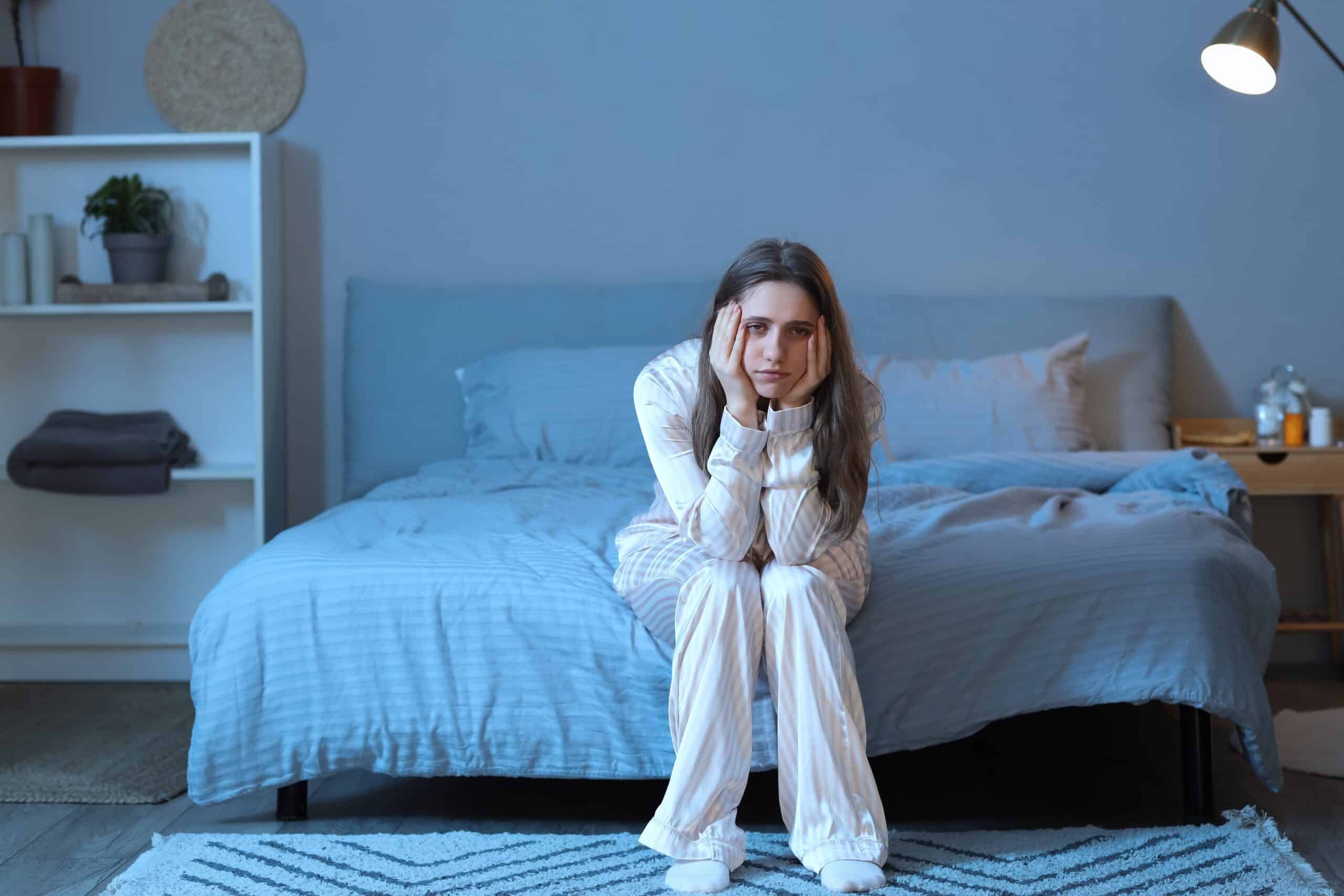
Signs That Sleep Apnea May Be Affecting You
Many people live with sleep apnea for years before receiving a diagnosis because the most obvious symptoms happen while they are asleep. Even so, there are often daytime and nighttime warning signs that suggest breathing interruptions may be occurring.
Common signs can include:
- Loud or frequent snoring
- Waking suddenly or gasping during sleep
- Feeling tired despite spending enough time in bed
- Morning headaches
- Dry mouth upon waking
- Trouble focusing during the day
- Mood changes or irritability
- Daytime sleepiness or low energy
When these symptoms become part of daily life, it is worth taking a closer look at the health of the airway and whether sleep-disordered breathing could be involved.
Why Treating Sleep Apnea Matters
Untreated sleep apnea can place ongoing stress on the body night after night. Repeated breathing interruptions may reduce oxygen levels and interfere with the restorative sleep cycles your body needs to function well. Over time, that can affect much more than how rested you feel in the morning.
Sleep apnea has been associated with broader health concerns such as high blood pressure, cardiovascular strain, stroke risk, metabolic issues, impaired concentration, and reduced overall quality of life. Because of those far-reaching effects, early diagnosis and thoughtful treatment are important. Addressing the airway can be a meaningful step toward protecting both sleep health and overall wellness.
Vivos® Therapy Vs. Traditional CPAP Treatment
CPAP remains a common treatment for sleep apnea and can be highly effective for many patients. However, not everyone finds it easy to tolerate. Some patients struggle with the mask, the airflow sensation, or the difficulty of using the machine consistently over time.
Oral appliance treatment may offer another path for certain individuals, especially when comfort, portability, and day-to-day compliance matter. Traditional oral appliances typically work by repositioning the jaw during sleep to help keep the airway open. Vivos therapy takes a different approach by focusing on supporting longer-term structural airway improvement rather than only holding the airway open while the appliance is in place.
That distinction is often what makes airway-focused treatment especially appealing to patients looking for a more comprehensive solution.

A Long-Term Perspective On Airway Health
One of the most notable aspects of Vivos therapy is its emphasis on creating the conditions for lasting change. Rather than relying entirely on indefinite nightly symptom management, this treatment is intended to support a healthier airway foundation over time.
Every patient’s anatomy, symptoms, bite relationship, and health history are different, so treatment planning must be individualized. At Premier Dentistry, we evaluate whether airway development and oral appliance therapy may be a suitable fit based on your specific needs and goals. This personalized approach helps ensure that recommendations are rooted in both function and long-term outcomes.

How Sleep Apnea Is Diagnosed
Before any treatment begins, a proper diagnosis is essential. Sleep apnea cannot be confirmed by symptoms alone. Evaluation typically includes a discussion of sleep concerns, a review of health history, and an assessment of airway-related anatomy. In many cases, a sleep study is needed to determine whether sleep apnea is present and how severe it may be.
Our team works in coordination with appropriate medical providers when needed so that diagnosis and treatment planning are based on clear, accurate information. Once that foundation is in place, we can help determine whether Vivos therapy or another treatment approach may be appropriate.
Better Sleep Starts With Better Breathing
When breathing improves during sleep, the effects can reach into every part of daily life. Patients pursuing airway-focused treatment often hope for more restful sleep, better focus, improved daytime energy, and less disruption from snoring or nighttime waking. By addressing the structural contributors to airway restriction, Vivos therapy offers an option that aligns sleep health with a broader vision of long-term wellness.
At Premier Dentistry, we believe sleep apnea treatment should be thoughtful, individualized, and rooted in a real understanding of how the airway works. If you have been dealing with snoring, fatigue, or diagnosed sleep apnea, our team is here to help you explore whether airway dentistry and Vivos therapy may be the right next step.
Sleep Apnea & Airway Questions Sacramento Patients Ask
Straight answers, including the ones that are not sales pitches.
Can a dentist diagnose sleep apnea?
No, and Dr. Grivas does not claim to — sleep apnea is a medical diagnosis. But you do not have to go somewhere else to get one. Premier Dentistry can perform a home sleep apnea test, which you take in your own bed, and a board-certified sleep physician reviews the study and provides the diagnosis. Treatment is then squarely dental work: custom oral appliance therapy, airway-focused appliances, and the bite and jaw side of the problem. Not diagnosing it and not being able to treat it are two very different things.
What is the difference between snoring and sleep apnea?
Snoring is the sound of air moving past soft tissue that is vibrating or partially collapsing. Sleep apnea is when the airway closes enough to interrupt breathing repeatedly through the night, dropping oxygen and fragmenting sleep. Loud snoring can be harmless, or it can be the audible part of apnea — you cannot tell the difference from the sound alone. Witnessed gasping, choking, or pauses in breathing is the sign that most warrants testing.
Is an oral appliance as good as CPAP?
It depends on what you mean by “good.” CPAP is more effective at reducing breathing events when it is worn. Oral appliances are usually less powerful per night but many people wear them far more consistently, which can close much of the gap in real-world benefit. Sleep medicine guidelines support custom, adjustable oral appliances for primary snoring and for people with obstructive sleep apnea who cannot tolerate CPAP or prefer an alternative — prescribed by a physician, not chosen by a dentist.
What are my options if I cannot tolerate CPAP?
CPAP intolerance is common and it is a legitimate reason to look at alternatives. A custom oral appliance that holds the lower jaw slightly forward during sleep is the most established dental option, and it is specifically supported in the guidelines for people who cannot use CPAP. Other paths your physician may raise include positional therapy, weight management, surgical options, and implanted nerve stimulation. Premier Dentistry handles the dental appliance side and coordinates with your sleep physician on the rest.
What is Vivos® therapy and does it work?
Vivos is a system of custom appliances intended to change the shape and support of the upper arch over months, rather than only holding the jaw forward each night. Dr. Grivas is a trained Vivos provider. Being straight with you about the evidence: the devices hold FDA clearance, but published research on arch expansion in adults shows airway measurements can improve while actual sleep-study improvement is inconsistent and not predictable. It is a reasonable option to discuss for the right case — not a guaranteed alternative to CPAP, and not something to buy on a promise.
Will a sleep appliance change my bite?
It can, and you deserve to know that before you start. Appliances that hold the lower jaw forward night after night are associated with gradual, cumulative changes in how the teeth meet — typically a reduction in overbite and overjet. The changes build slowly over years and are largely not reversible. This is why oral appliance therapy includes ongoing dental monitoring rather than a fit-and-forget handoff, and why we track your bite over time.
How do I get tested — do I need an overnight sleep study?
For most people, not a lab. Home sleep apnea testing is well established for adults with suspected obstructive sleep apnea, and Premier Dentistry can perform the test here — you take the recorder home and sleep in your own bed. A board-certified sleep physician then reviews the study and provides the diagnosis. In-lab overnight studies are still used when the picture is more complicated or another sleep disorder is suspected.
My child snores and breathes through their mouth — should I worry?
It is worth having looked at, without panic. Habitual snoring, mouth breathing, restless sleep, and grinding in children are worth investigating, and there is a real association between disrupted sleep and daytime behavior. But the strongest clinical trial in this area found that surgery improved symptoms and quality of life without significantly improving attention scores, so no one should promise you that treating your child’s airway will fix their focus or their grades. We screen, and refer to a pediatrician or ENT for diagnosis.
Does insurance cover an oral appliance for sleep apnea?
Often, partly — but through medical insurance rather than dental, and only with a physician’s diagnosis of obstructive sleep apnea on record. Medicare does cover custom oral appliances under specific conditions. Coverage for snoring alone, without a sleep apnea diagnosis, is generally not available. Premier Dentistry is out of network, so we give you the fee in writing up front and the documentation you need to submit.
What does treatment cost?
A custom, adjustable oral appliance with the fitting, adjustment visits, and follow-up typically runs in the low thousands of dollars nationally, versus roughly $50 to $150 for an over-the-counter mouthpiece that guidelines specifically advise against for treating sleep apnea. Multi-phase airway therapy such as Vivos costs substantially more and is usually not covered. You will get a written plan with the number on it before you commit to anything.
This information is educational and is not a substitute for an examination, diagnosis, or treatment plan from a licensed dentist or physician. Individual results vary. Premier Dentistry does not diagnose obstructive sleep apnea; diagnosis is made by a physician.
Airway and sleep-related care at Premier Dentistry is provided by Dr. A. Scott Grivas III, DDS, a trained Vivos® provider who spent eight years as an intensive-care nurse before dental school. The practice can perform home sleep apnea testing, with a board-certified sleep physician providing the diagnosis.
Explore Sleep Apnea & Airway Dentistry At Premier Dentistry
You should not have to settle for poor sleep or live with symptoms that continue to affect your health and quality of life. With an airway-centered philosophy and advanced treatment options like Vivos therapy, Premier Dentistry offers a more comprehensive way to approach sleep-disordered breathing. Contact our office to schedule an evaluation and learn whether this form of sleep apnea treatment may help you breathe better, sleep better, and feel better.